
Have you noticed a bony protrusion on the side of your big toe? If so, you may have developed the foot condition known as a bunion. Don't let bunions interfere with your daily activities.
Have you noticed a bony protrusion on the side of your big toe? If so, you may have developed the foot condition known as a bunion. Don't let bunions interfere with your daily activities.
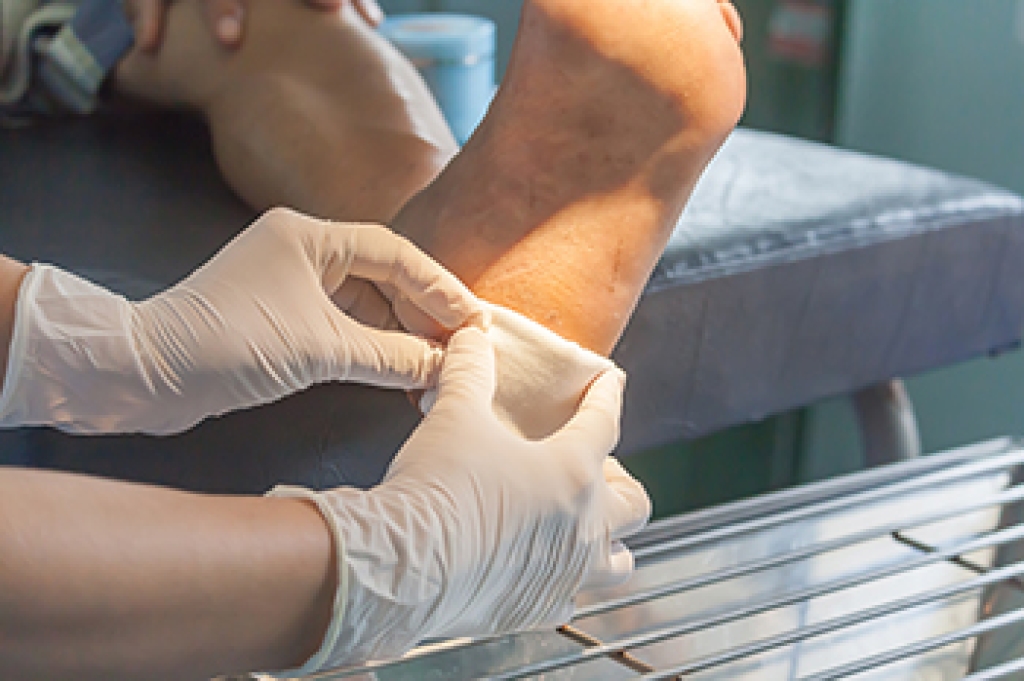
Foot wounds require attention because a small wound can become a health concern. Pressure injuries on the feet develop when pressure limits the flow of oxygen and nutrients to the skin and deeper tissues. They are more likely in patients who spend long periods in a bed or chair, have limited movement, or are weakened by illness. Bony areas of the foot are vulnerable because tissue can become trapped between bone and a firm surface. Diabetes, poor circulation, and reduced feeling can raise the risk and make a wound harder to notice.
Several forces can contribute to skin damage. Shearing happens when the skin stays in place while deeper tissue shifts, as when a patient slides down in a bed or chair. This movement squeezes blood vessels and becomes more damaging when combined with pressure. Friction from rubbing can weaken the skin, although friction alone does not cause a pressure injury. Excess moisture can also make skin fragile and more likely to break down. Poor nutrition slows the repair of damaged cells. Weight loss can reduce the natural padding that protects the bones of the feet.
A podiatrist can examine the wound, measure its depth, and check skin for infection. The evaluation also includes testing circulation and sensation in the feet. Treatment can include cleaning the wound, removing damaged tissue, and applying a protective dressing. A podiatrist can reduce pressure on the affected area with padding, special shoes, or a custom device. Follow-up visits allow the podiatrist to track healing and adjust the treatment plan. Patients should seek prompt care for spreading redness, increasing swelling, or drainage. Fever, darkened tissue, or a bad odor can signal a serious problem. Early podiatric care can lower the risk of infection, deeper tissue damage, and limb loss. If you have symptoms of pressure injuries on the feet, it is suggested that you schedule an appointment with a podiatrist for a diagnosis and appropriate treatment.
Wound care is an important part in dealing with diabetes. If you have diabetes and a foot wound or would like more information about wound care for diabetics, consult with Mack Jay Groves IV, DPM from Groves Foot & Ankle. Our doctor will assess your condition and provide you with quality foot and ankle treatment.
What Is Wound Care?
Wound care is the practice of taking proper care of a wound. This can range from the smallest to the largest of wounds. While everyone can benefit from proper wound care, it is much more important for diabetics. Diabetics often suffer from poor blood circulation which causes wounds to heal much slower than they would in a non-diabetic.
What Is the Importance of Wound Care?
While it may not seem apparent with small ulcers on the foot, for diabetics, any size ulcer can become infected. Diabetics often also suffer from neuropathy, or nerve loss. This means they might not even feel when they have an ulcer on their foot. If the wound becomes severely infected, amputation may be necessary. Therefore, it is of the upmost importance to properly care for any and all foot wounds.
How to Care for Wounds
The best way to care for foot wounds is to prevent them. For diabetics, this means daily inspections of the feet for any signs of abnormalities or ulcers. It is also recommended to see a podiatrist several times a year for a foot inspection. If you do have an ulcer, run the wound under water to clear dirt from the wound; then apply antibiotic ointment to the wound and cover with a bandage. Bandages should be changed daily and keeping pressure off the wound is smart. It is advised to see a podiatrist, who can keep an eye on it.
If you have any questions please contact our office located in Covington, LA . We offer the newest diagnostic and treatment technologies for all your foot and ankle needs.

Plantar warts are small growths that develop on the bottom of the feet and are caused by infection with the human papillomavirus, or HPV. These warts often appear as rough, thickened areas of skin on parts of the foot that bear weight, such as the heel or the ball of the foot. Plantar warts may have a grainy texture and sometimes contain small dark pinpoint spots within the lesion. Symptoms include localized tenderness, discomfort while walking, and pressure-related pain. Risk factors include walking barefoot in warm moist environments, such as locker rooms or public pool areas, minor skin breaks, and weakened skin protection. A podiatrist can diagnose plantar warts and provide safe targeted treatment. Plantar warts can be painful and may cause difficulty in completing daily activities. If you have developed this type of wart, it is suggested that you consult a podiatrist who can offer effective relief solutions.
Plantar warts can be very uncomfortable. If you need your feet checked, contact Mack Jay Groves IV, DPM from Groves Foot & Ankle. Our doctor will assist you with all of your foot and ankle needs.
About Plantar Warts
Plantar warts are the result of HPV, or human papillomavirus, getting into open wounds on the feet. They are mostly found on the heels or balls of the feet.
While plantar warts are generally harmless, those experiencing excessive pain or those suffering from diabetes or a compromised immune system require immediate medical care. Plantar warts are easily diagnosed, usually through scraping off a bit of rough skin or by getting a biopsy.
Symptoms
Treatment
To help prevent developing plantar warts, avoid walking barefoot over abrasive surfaces that can cause cuts or wounds for HPV to get into. Avoiding direct contact with other warts, as well as not picking or rubbing existing warts, can help prevent the further spread of plantar warts. However, if you think you have developed plantar warts, speak to your podiatrist. He or she can diagnose the warts on your feet and recommend the appropriate treatment options.
If you have any questions, please feel free to contact our office located in Covington, LA . We offer the newest diagnostic and treatment technologies for all your foot care needs.

Foot numbness is a loss of feeling in part or all of the foot. It may feel like tingling, pins and needles, or reduced sensitivity. Temporary numbness can happen when pressure affects a nerve. Persistent or recurring numbness deserves attention because it can signal an underlying health problem. Symptoms include weakness, balance changes, or difficulty noticing injuries. Finding the cause early can help protect foot health and movement.
Several conditions can contribute to numb feet. Poor circulation may reduce oxygen reaching nerves and tissues. Nerve damage, known as neuropathy, can interfere with normal sensation. Diabetes is a common cause of peripheral neuropathy. Other conditions linked with foot numbness include thyroid disease, kidney failure, and Lyme disease. Injuries and pressure on nerves can also contribute. Risk factors include diabetes, circulation problems, and nutritional deficiencies.
A podiatrist will begin with an evaluation and medical history. The examination may include checking sensation, reflexes, and muscle strength. The podiatrist may also examine footwear, and testing may be recommended to identify the cause. Treatment depends on the diagnosis and may include wearing supportive footwear, protecting areas with reduced sensation, or treating related foot problems.
Numb feet should not be ignored, particularly when numbness continues or occurs with weakness or skin changes. Reduced sensation can make it easier to miss blisters, cuts, or other injuries, so regular foot checks are important. Wear comfortable, properly fitting shoes, and avoid walking barefoot when sensation is reduced. Protecting the feet can lower the chance of complications while the cause is evaluated. If your feet are numb, it is suggested that you promptly consult a podiatrist who can determine the cause and offer effective management solutions.
Foot Pain
Foot pain can be extremely painful and debilitating. If you have a foot pain, consult with Mack Jay Groves IV, DPM from Groves Foot & Ankle. Our doctor will assess your condition and provide you with quality foot and ankle treatment.
Causes
Foot pain is a very broad condition that could be caused by one or more ailments. The most common include:
Diagnosis
To figure out the cause of foot pain, podiatrists utilize several different methods. This can range from simple visual inspections and sensation tests to X-rays and MRI scans. Prior medical history, family medical history, and any recent physical traumatic events will all be taken into consideration for a proper diagnosis.
Treatment
Treatment depends upon the cause of the foot pain. Whether it is resting, staying off the foot, or having surgery; podiatrists have a number of treatment options available for foot pain.
If you have any questions, please feel free to contact our office located in Covington, LA . We offer the newest diagnostic and treatment technologies for all your foot care needs.
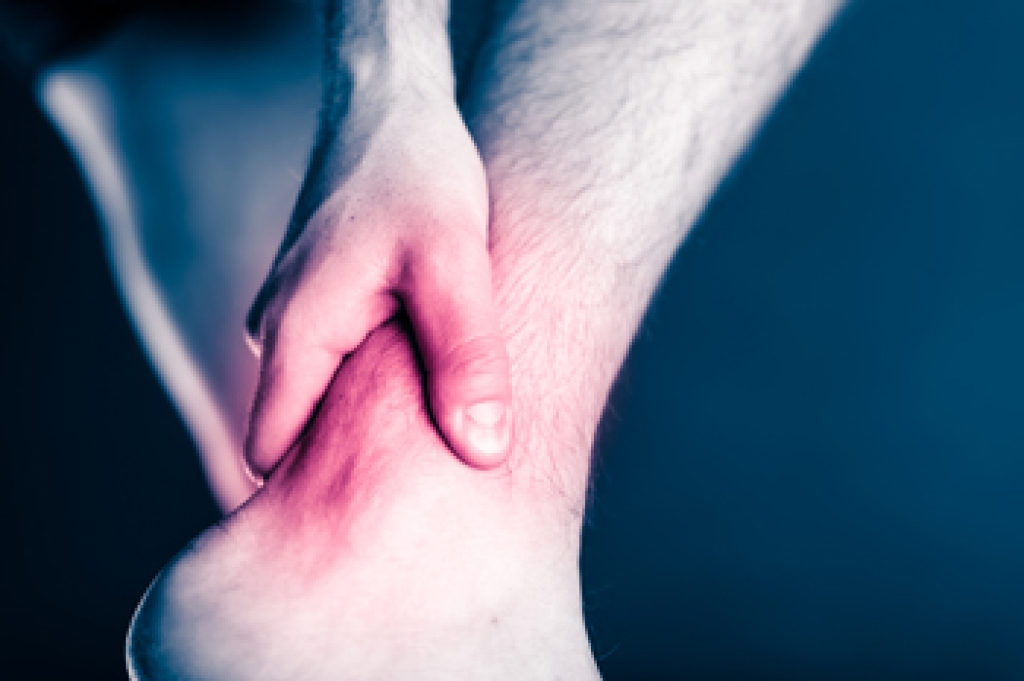
Achilles tendon pain can range from soreness and tenderness to a sudden, serious rupture. The Achilles tendon is a strong band of tissue that connects the calf muscles to the heel. It helps the foot push off the ground while walking, running, and jumping. A rupture happens when the tendon tears after a forceful movement. A sudden snap or popping feeling in the back of the leg can be a warning sign. Some people describe it as feeling like they were struck in the calf. Pain, swelling, and difficulty pushing off the foot can occur. Importantly, a person with a ruptured Achilles tendon can sometimes still walk or move the ankle, so these abilities do not rule out a rupture.
A podiatrist can evaluate Achilles tendon pain or a suspected rupture by reviewing the injury and examining the foot, ankle, and lower leg. The examination can include the calf squeeze test, which checks foot movement when the calf is gently squeezed. A ruptured tendon can cause little or no normal foot movement with this test. A gap in the tendon is not always easy to feel because swelling can hide it. In some cases, imaging can provide more information, but a clinical examination can identify an acute rupture. Prompt recognition is important because a missed rupture can heal in a lengthened position and lead to lasting weakness.
Treatment for an Achilles rupture depends on the injury and the patient's needs. A podiatrist can help determine an appropriate treatment plan, which can include immobilization, structured rehabilitation, or surgery. Follow-up visits can allow the podiatrist to monitor healing, strength, and function and adjust treatment as recovery progresses. Achilles tendon pain without a rupture also deserves attention, especially when pain continues or affects normal activity. If you have Achilles tendon pain, it is suggested that you schedule an appointment with a podiatrist for a diagnosis and appropriate treatment.
Achilles tendon injuries need immediate attention to avoid future complications. If you have any concerns, contact Mack Jay Groves IV, DPM of Groves Foot & Ankle. Our doctor can provide the care you need to keep you pain-free and on your feet.
What Is the Achilles Tendon?
The Achilles tendon is a tendon that connects the lower leg muscles and calf to the heel of the foot. It is the strongest tendon in the human body and is essential for making movement possible. Because this tendon is such an integral part of the body, any injuries to it can create immense difficulties and should immediately be presented to a doctor.
What Are the Symptoms of an Achilles Tendon Injury?
There are various types of injuries that can affect the Achilles tendon. The two most common injuries are Achilles tendinitis and ruptures of the tendon.
Achilles Tendinitis Symptoms
Rupture Symptoms
Treatment and Prevention
Achilles tendon injuries are diagnosed by a thorough physical evaluation, which can include an MRI. Treatment involves rest, physical therapy, and in some cases, surgery. However, various preventative measures can be taken to avoid these injuries, such as:
If you have any questions please feel free to contact our office located in Covington, LA . We offer the newest diagnostic tools and technology to treat your foot and ankle needs.
Connect With Us
