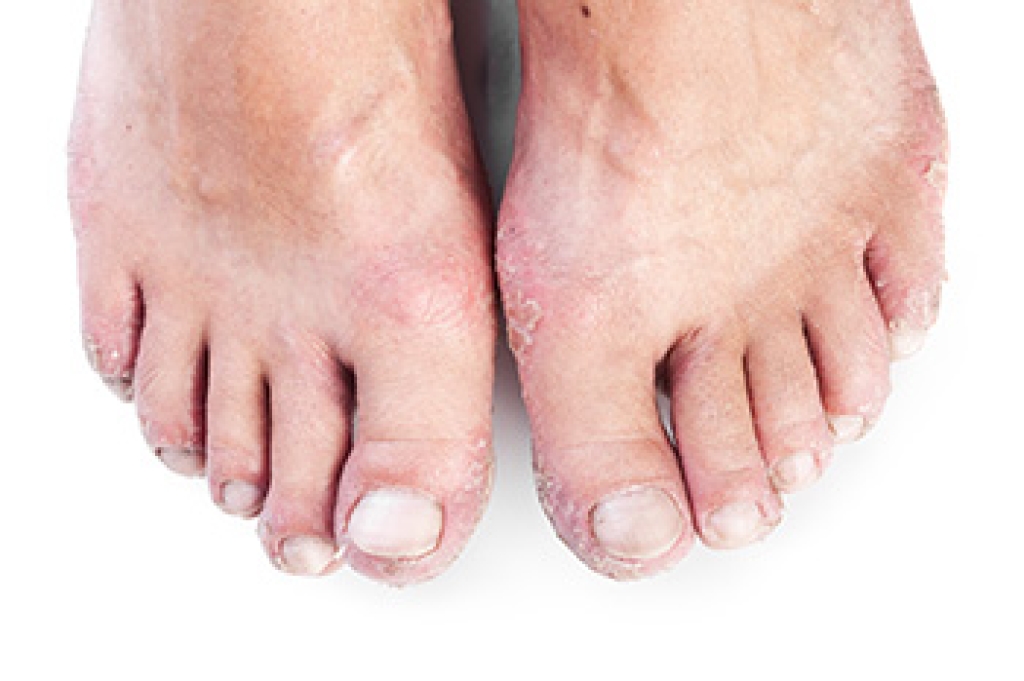
Psoriatic arthritis is an inflammatory condition linked to psoriasis, which can affect the feet in multiple ways because both joints and soft tissues become involved. Many people notice stiffness in the toes or mid-foot, along with swelling that makes shoes feel tighter than usual. The condition can also inflame the tendons, especially around the heel or along the top of the foot, creating soreness during walking or climbing stairs. Some individuals develop dactylitis, where an entire toe becomes swollen and tender, giving it a sausage-like appearance. Skin plaques related to psoriasis may also appear on the feet and add to irritation. Because symptoms can fluctuate and progress over time, early evaluation helps determine which areas need the most support. A podiatrist can assess joint alignment, recommend footwear, provide inserts, and offer treatments that reduce inflammation. If foot symptoms from psoriatic arthritis are affecting daily activities, it is suggested that you see a podiatrist for effective relief tips.
When dealing with systemic disease of the feet, it is extremely important to check the affected areas routinely so that any additional problems are caught quickly. If you have any concerns about your feet and ankles contact Mack Jay Groves IV, DPM from Groves Foot & Ankle. Our doctor will assist you with all of your podiatric needs.
Systemic Diseases of the Feet
Systemic diseases affect the whole body, and symptoms usually are displayed in the feet. This condition can make a patient’s ability to walk unbearable. Systemic diseases include gout, diabetes mellitus, neurological disorders, and arthritis.
Gout – is caused by an excess of uric acid in the body. Common symptoms include pain, inflammation, and redness at the metatarsal/phalangeal joint of the base big toe. Gout can be treated by NSAIDs to relieve pain and inflammation, and other drugs that lower the acid levels in the body.
Diabetes mellitus – is an increase in the level of blood sugar that the body cannot counteract with its own insulin. Failure to produce enough insulin is a factor in Diabetes.
Diabetes of the Feet
Diabetic Neuropathy – may lead to damaged nerves and affect the feet through numbness and loss of sensation.
Peripheral Vascular Disease – can restrict the blood flow to the feet, and often times lead to amputation of the feet.
If you have any questions please contact our office located in Covington, LA . We offer the newest diagnostic and treatment technologies for all your foot and ankle needs.
